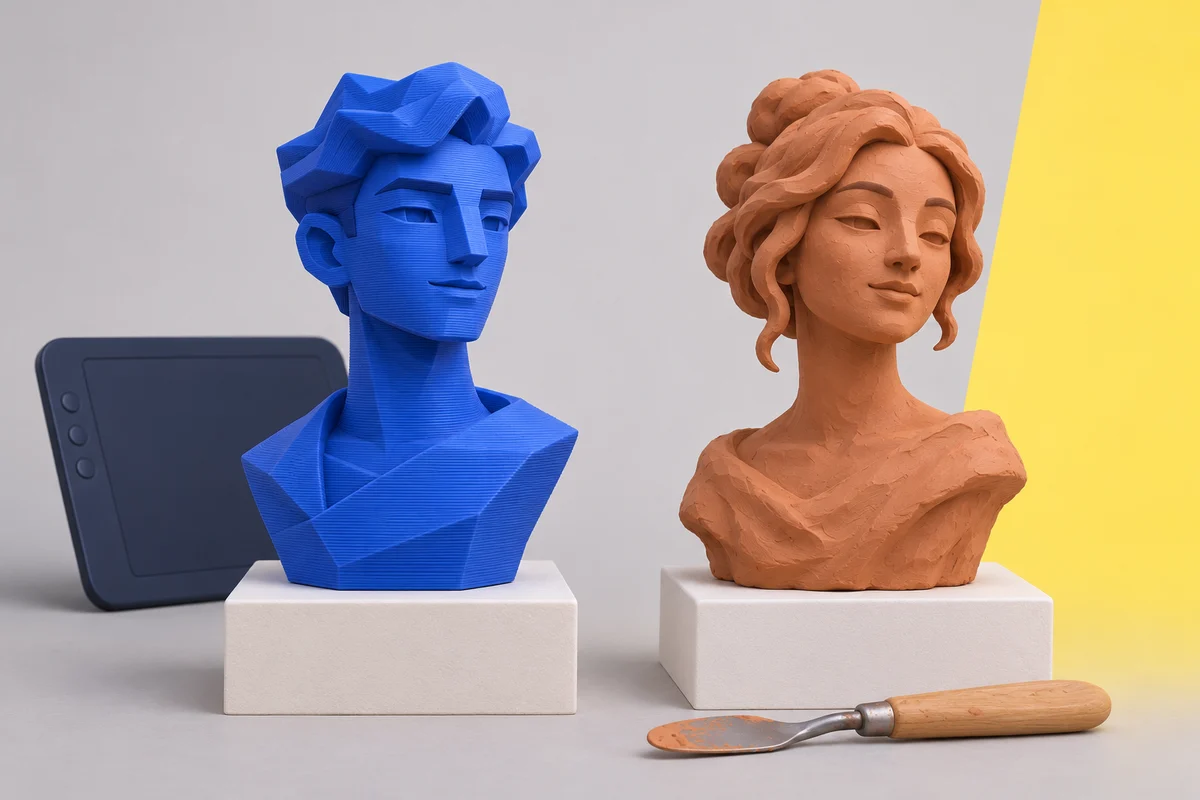
3D Printing vs. Hand Sculpting: A Complete Comparison
Speed and precision: The Race Between Technologies
Digital modeling and hand sculpting offer different ways to turn an idea into a figure. A digital model can be revised before printing, while a hand sculptor shapes the material directly. Ask about the current production schedule for either approach instead of assuming that one will arrive sooner.
When it comes to accuracy, 3D printing excels due to its reliance on digital models that ensure precise replication of details. Each layer is meticulously crafted according to specifications set in software, resulting in consistent quality across multiple prints. In contrast, hand sculpting relies heavily on the artist’s skill level; while experienced sculptors can achieve stunning detail thru tactile manipulation of materials like clay or stone, variations may occur from one piece to another.
Material Durability and Finish Quality
Material and finish affect how a figure looks, feels and should be cared for. Traditional clay and printed materials have different properties. Check the specific product description for material, finish and care information before choosing.
Moreover, advancements in post-processing techniques allow for further refinement after printing, enabling artists to achieve textures and finishes previously thought exclusive to handcrafted works.
Cost-Effectiveness: Analyzing Financial Implications
When evaluating cost-effectiveness between these two approaches, several factors come into play beyond just initial expenses.Traditional sculpting requires substantial investment in tools and materials over time; costs accumulate with each new project due to purchasing raw supplies like clay or stone along with necessary equipment for shaping them.
For a commissioned figure, compare the complete quote and what it includes, such as design review, size and delivery. Equipment costs for making a figure yourself are a separate consideration.
Additionally, as more creators adopt digital fabrication techniques within various industries, from art installations to product design, the demand continues rising alongside accessibility improvements which further drive down costs associated with this innovative approach over time.
Conclusion: Choosing your Path Forward
Ultimately deciding between Image2Figure technology versus traditional clay sculpture hinges upon individual preferences regarding speed versus craftsmanship nuances along with financial considerations unique per artist’s situation. As both methods evolve alongside technological advancements within creative fields alike, it remains essential for aspiring sculptors explore all avenues available before committing fully towards one path over another!